
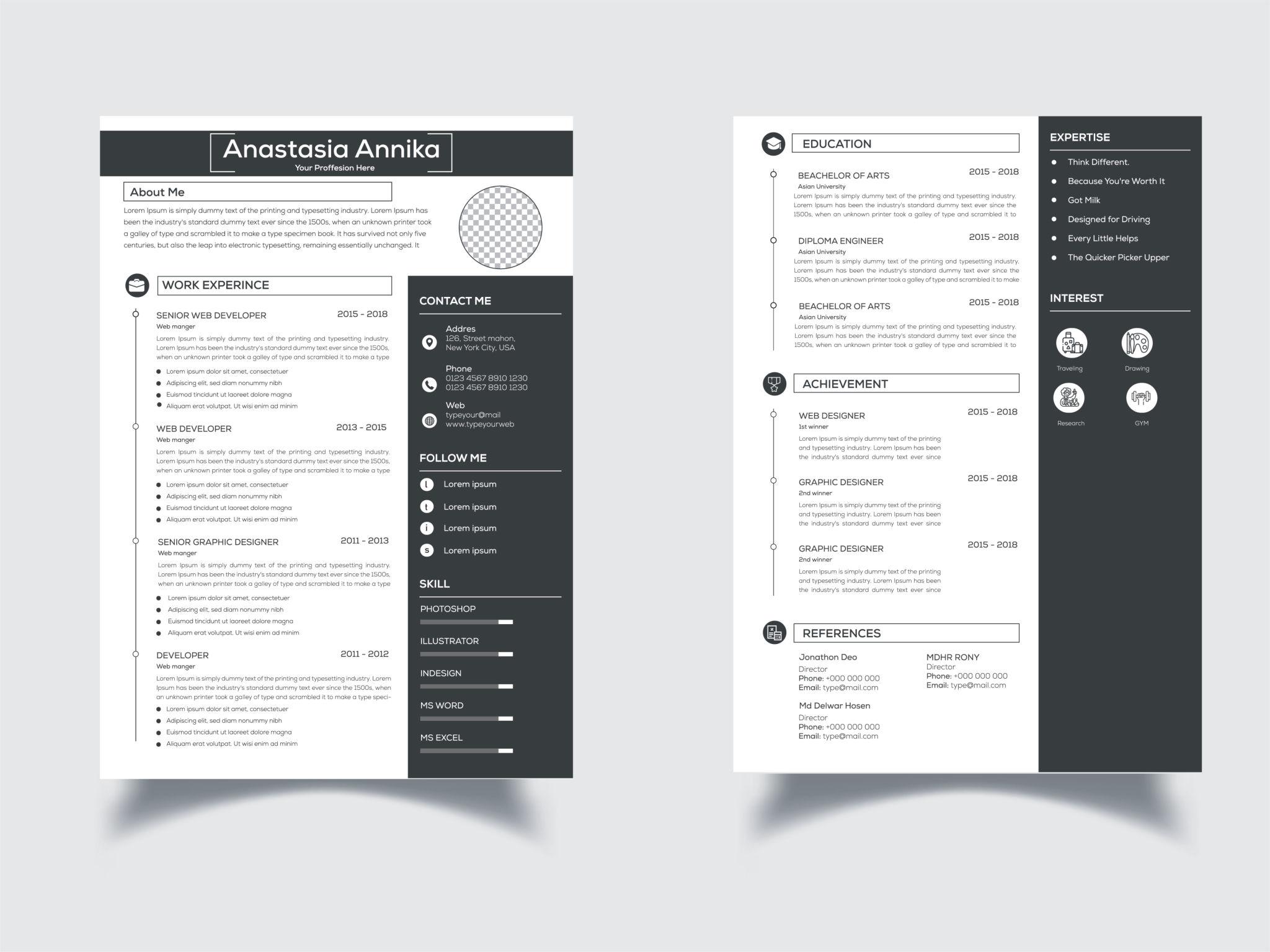
Stepping into the job market as a fresher can feel overwhelming. With little or no work experience, many candidates struggle to create a resume that stands out. The truth is, your resume is not just a document—it is your first opportunity to make a strong impression on a recruiter.
A well-crafted resume can significantly improve your chances of getting shortlisted, even if you are just starting your career. In this guide, you will learn how to build a professional resume from scratch, what to include, what to avoid, and how to present yourself effectively.
A resume is a concise summary of your qualifications, skills, and achievements. It gives recruiters a quick overview of who you are and what you can bring to the organization.
For freshers, a resume typically focuses on academic background, skills, projects, and any practical exposure like internships or certifications. Even without job experience, a strong resume can demonstrate your potential and readiness to learn.
Start with your personal details at the top of the resume. This section should be clean and easy to read.
Include your full name, phone number, and a professional email address. If you have a LinkedIn profile, add it as well, as it helps recruiters learn more about you.
Avoid using casual or outdated email IDs. A simple format like your name is always a better choice.
The career objective is a short statement that explains your goals and what you are looking for.
Instead of writing something generic, try to make it slightly tailored to the role. For example, mention your willingness to learn, your interest in the field, and your intention to contribute to the organization.
A clear and focused objective helps recruiters understand your direction and seriousness.
Since you are a fresher, your education plays a major role in your resume.
List your degree, college or university name, year of completion, and your percentage or CGPA. If you have performed well academically, it is worth highlighting.
You can also include relevant coursework if it supports the job you are applying for.
This is one of the most critical sections of your resume.
Recruiters often scan resumes for skills before reading anything else. Focus on skills that are relevant to the job you are applying for.
These may include technical skills such as programming languages, tools like MS Excel or PowerPoint, and soft skills like communication, teamwork, and problem-solving.
Be honest about your skills and avoid listing things you are not comfortable with.
Projects are extremely valuable for freshers because they demonstrate practical knowledge.
Include academic or personal projects that are relevant to your field. Clearly mention the project title, tools or technologies used, and the outcome or what you achieved.
A well-explained project can sometimes carry more weight than experience, especially for entry-level roles.
If you have completed internships, even short-term ones, make sure to include them.
Mention the company name, your role, and the work you performed. Focus on what you learned and how you contributed.
Internships show that you have real-world exposure and understand how professional environments work.
Certifications help you stand out, especially when you lack work experience.
Include online courses, training programs, or certifications related to your field. Platforms like Coursera, Udemy, or government-recognized programs add credibility to your profile.
They also show your willingness to learn and upgrade your skills.
Many freshers make simple mistakes that reduce their chances of getting shortlisted.
Using unprofessional email addresses, adding irrelevant personal details, or writing long, unclear paragraphs can make your resume look weak. Spelling and grammar errors also create a negative impression.
A resume should be clear, concise, and easy to scan. Recruiters usually spend only a few seconds on each resume, so presentation matters a lot.
Keep your resume limited to one page, especially as a fresher. Use a clean and simple format that is easy for both recruiters and ATS (Applicant Tracking Systems) to read.
Customize your resume for each job instead of sending the same version everywhere. Highlight the skills and information that match the job description.
Make sure your key strengths are visible at a glance.
Creating a good resume is only the first step. The real impact comes from how you use it.
Apply regularly on trusted job platforms, stay consistent in your efforts, and keep track of the positions you have applied for. Following up and staying organized can improve your chances of getting responses.
A strong resume opens doors, but the right opportunities help you move forward. As a fresher, it is important to not only build a good resume but also apply to genuine and verified job listings.
On goduty.in, you can explore verified job opportunities, showcase your skills, and connect directly with employers who are actively hiring.
Create your profile today and start applying to verified jobs on goduty.in. Your first job could be just one application away.